Echoes of Valor: Untold Stories and Insights from the Vietnam Conflict
As we delve into the Vietnam conflict, often known as the Vietnamese war in other corners of the globe, we uncover a tapestry of human experience that transcends statistics and war strategy. These are narratives often overshadowed by the grand sweep of historical analysis and political conflict, yet they encapsulate the essence of the human condition amid the chaos of combat. Each personal story is a powerful reminder of the resilience of the human spirit, narrated by those who lived through the clamor of the Vietnam era. Have you ever wondered how the echoes of valor from the battlefield manifest in the lives of those who fought?
Understanding the Vietnam conflict requires more than just a glimpse at dates and events; it demands an exploration of the veteran stories that have shaped this chapter of USA military history. Take, for instance, the story of a young soldier, barely out of his teens, who witnessed the gritty realities of war like few could fathom. He spoke, years later, of the warmth of camaraderie he found amidst the horrors, stating, "In the heat of battle, I discovered family in the unlikeliest of companions." Such personal narratives serve not only as a record of combat experience but also illuminate the bonds forged in the fog of conflict that would last far beyond the fighting.
These stories don’t just belong to the veterans; they resonate with the families, communities, and nations affected by the armed forces' actions. As we acknowledge the impact of war memorials and commemoration in our societies, we must also recognize the myriad of voices that form the fabric of our national history. What becomes of those stories that linger in the shadows, often unspoken? They are integral to our understanding of post-war impact, painting a vivid picture of the long-term consequences that extend far beyond the battlefield. How do we honor these experiences correctly in our remembrance of such a tumultuous period?
War journalism plays a crucial role in shaping our understanding of historical events. Yet, many stories remain hidden, buried within the pages of historical documents or lost in the echoes of time. Listening to the veterans reflect on their struggles after returning home helps us answer essential questions about resilience and recovery. What do these men and women need from society to heal? Their voices remind us that while we study the military strategy behind the conflict, we must also embrace the human experiences that give those strategies a face and a heartbeat.
As we engage in this discourse surrounding the Vietnam conflict, it becomes clear that the lessons to be learned from these hidden narratives are invaluable. Each tale, whether it evokes empathy or contemplation, stirs a path toward understanding the complexities of a world fractured by war. How will we carry these insights into future peace talks and political conflict resolution? Ultimately, it is incumbent upon us to weave these vital stories into the fabric of our commemoration efforts, ensuring that the valor of those who served is forever echoed in the collective memory.
From Battlefields to Memorials: The Lasting Impact of the Vietnam Era
The echoes of valor that emerged from the Vietnam conflict reverberate through the lives of millions. From gripping battlefields to solemn memorials, the Vietnamese war significantly shaped not only the soldiers who fought it but also the very fabric of the USA military history. It is crucial to explore how this military conflict impacted generations and continues to tell stories of sacrifice and resilience. As we delve into these personal narratives and historical events, we are compelled to ask: what lessons do we carry forward, and how do we honor those who served?
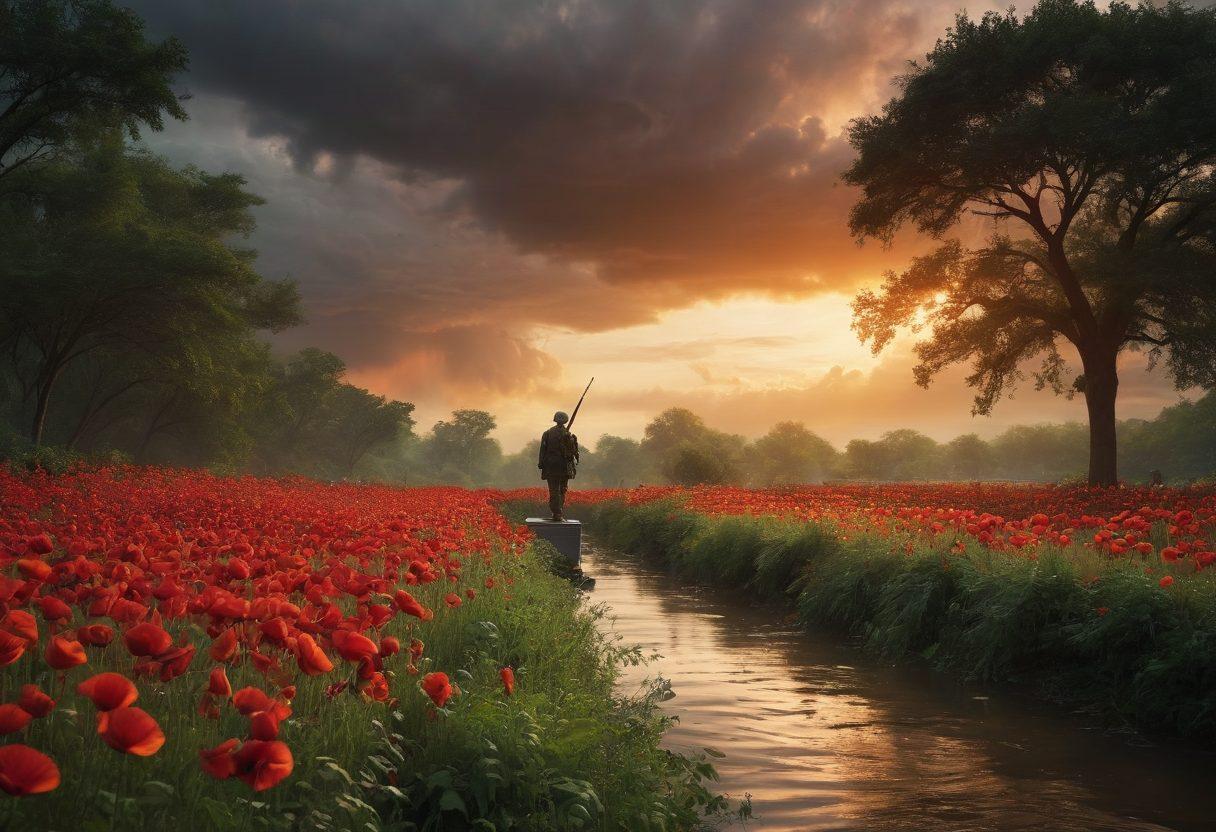
Imagine standing in front of a war memorial, the weight of the past filling the air. Each name etched in stone tells a story of bravery and loss. The Vietnam era was more than a chapter in our history; it is filled with veteran stories that echo the complexities of combat experience and the changing tides of political conflict. Commemoration becomes an important aspect of our healing. It invites individuals and communities to confront their past, fostering discussions that were once too painful to bear. How can we ensure that these stories remain alive for future generations?
At the heart of the Vietnam conflict are human experiences that transcend the battlefield. From soldiers to civilians, each perspective adds depth to the historical analysis of the Vietnamese war. A combat veteran might reflect on their military strategy while a child in their village recalls the transformations the war brought upon their life. Such diverse viewpoints offer a rich tapestry of war chronicles, revealing that history is not just written in books but also in the hearts of those who lived it. How do we validate these personal narratives in a society that often reduces history to mere dates and battles?
War journalism played a pivotal role in shaping public perception during the Vietnamese war. Journalists ventured into the tumult of this military conflict to document the unfiltered truths of war, bringing the realities of the battlefield into the homes of everyday Americans. This crucial function also means that media narratives sometimes shaped how military veterans were perceived upon returning home. What responsibilities do we maintain in telling these stories while respecting the sacrifices made?
As we study the post-war impact of the Vietnam conflict, it becomes evident that the lessons learned extend far beyond the era. They serve as essential guidelines for veterans affairs and inform our approach to peace talks in contemporary conflicts. The stories of the Vietnam era resonate not just within the USA but throughout the world, reminding us that the scars of war run deep, yet they can also forge connections and foster understanding. How can we take the lessons—both painful and redemptive—from this conflict to promote peace and honor our military veterans effectively?
Reflections on Courage: Military Strategies and Veterans' Experiences in the Vietnamese War
In a world steeped in conflict, the Vietnam conflict stands as a poignant testament to the complexities of war and the enduring courage of those who fought. As we delve into the reflections on courage, we come face to face with the military strategies and personal experiences that defined the Vietnamese war. These narratives illuminate the multifaceted nature of warfare, revealing not just tactical maneuvers but the indomitable spirit of those who served in the armed forces. To understand war history is to embrace the powerful echo of voices from the past, each story a thread woven into the rich tapestry of USA military history.
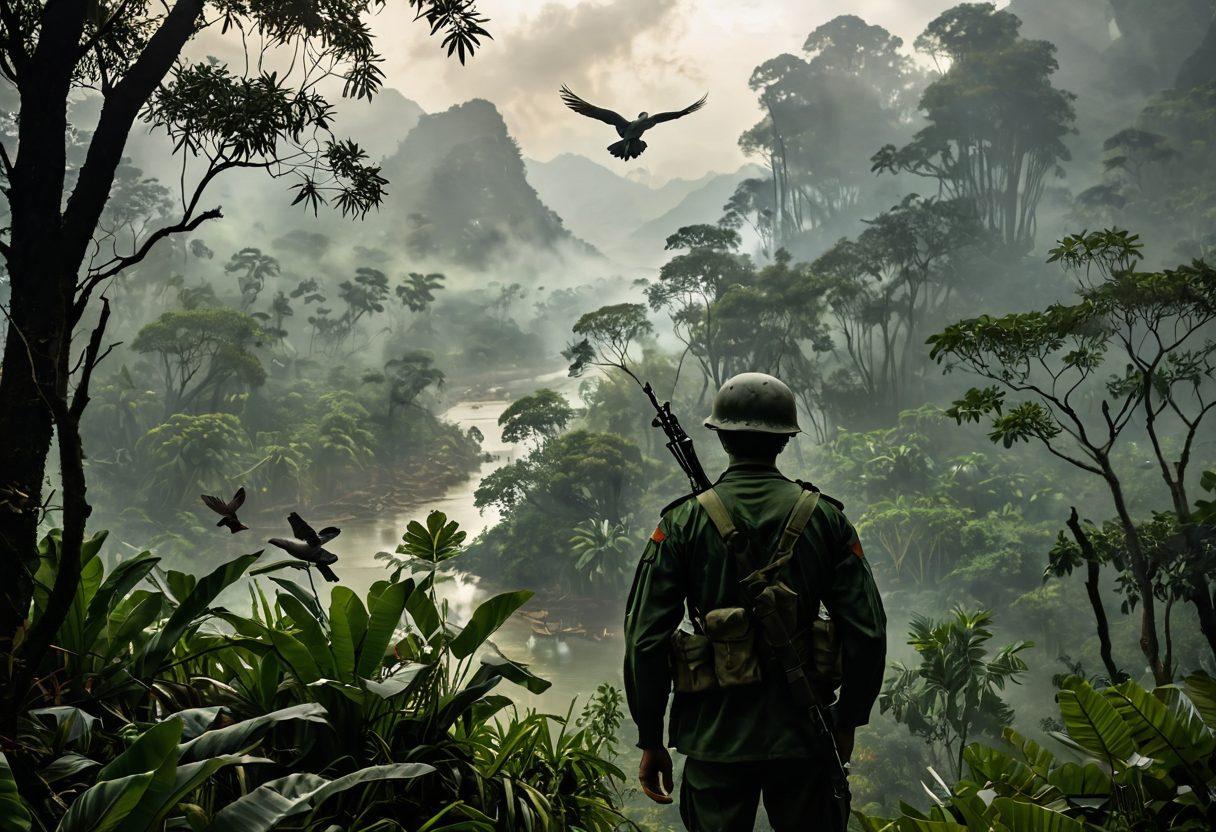
Imagine standing amidst the dense jungles of Vietnam, the air thick with humidity and tension. Soldiers navigated this treacherous terrain, facing both external foes and internal dilemmas. What does it mean to fight a war where political conflicts often eclipsed the imperative of military strategy? As we reflect on the experiences of military veterans, we become guided by their personal narratives, encapsulating the essence of courage in the face of chaos. Veteran stories from this era are not merely accounts of survival; they are powerful records of human experiences that resonate with empathy and insight.
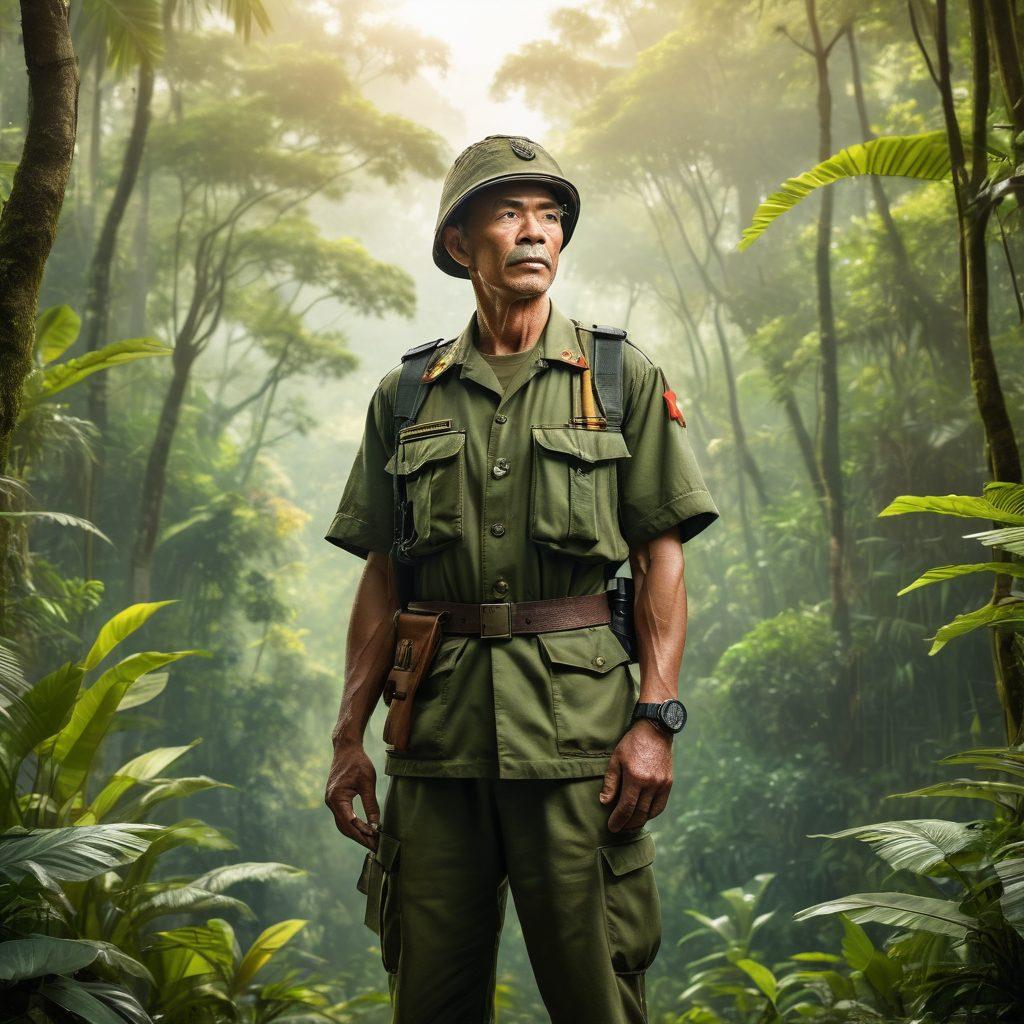
One story that echoes through the corridors of time is that of Robert, a combat veteran who traversed the perilous landscape of the Vietnamese war. He recalls the harrowing moments when strategy met reality: 'We had plans, but in the heat of battle, those plans would evolve. It was instinct and courage that often guided us.' This sentiment encapsulates the unpredictable nature of military conflict, where decisions had to be made in the blink of an eye. The impact of these decisions reverberated long after the last shots were fired, shaping both veterans' lives and the broader historical events surrounding the war.
Engaging with historical documents and war journalism from the Vietnam era offers a rich backdrop for understanding the complexities at play. Commemoration through war memorials has allowed a generation to remember and honor these courageous veterans. But as we commemorate, we must also confront the post-war impact of the conflict. How do we reconcile the bravery displayed with the political fallout that often overshadowed the personal valiant stories? The dialogue around veterans affairs challenges us to think critically about how society appreciates the sacrifices made and the honorable legacies forged in combat.
As we reflect on the echoes of valor from the Vietnam conflict, let us not only celebrate bravery but also seek to understand the intricate layers of military strategy and the profound human experiences behind them. The stories are about more than just battles lost and won; they are chronicles of resilience and reflection. By examining these narratives, we honor the past and pave the way for a more nuanced understanding of courage, aiming for peace talks that continue to resonate throughout our national history. How will these reflections shape the conversation about our future conflicts, as we strive for understanding and peace?